
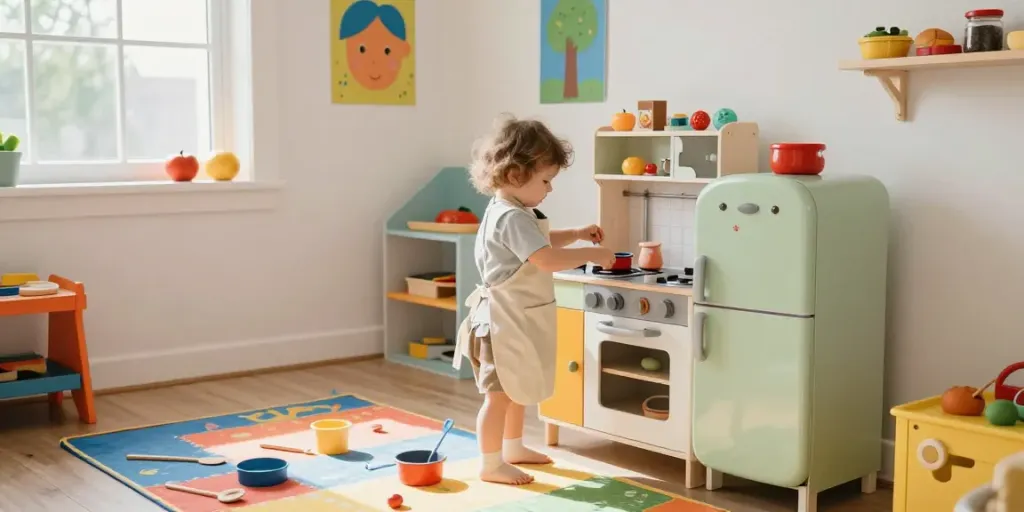
Understanding the Play Kitchen Concept
For many children, a play kitchen is more than just a toy; it’s a gateway to a world of creativity and imaginative adventures. These miniature culinary setups allow children to mimic real-world cooking scenarios, facilitating skill development and fostering creativity. As children engage in pretend play, they not only enjoy themselves but also gain valuable social and cognitive skills.
What is a Play Kitchen?
A play kitchen is a toy designed to simulate a real kitchen environment, complete with counters, cooking appliances, and accessories. They vary vastly in design, from simple wooden replicas to elaborate plastic models with electronic sounds and lights. Play kitchens often feature elements such as pretend ovens, stovetops, sinks, and cabinets, encouraging children to engage in role-playing and create their own culinary stories.
Benefits of Imaginative Play in Child Development
Imaginative play has numerous benefits for child development, particularly in enhancing creativity, problem-solving skills, and social interaction. Engaging with a play kitchen allows children to explore various roles, communicate with others, and experiment with storytelling. Through this type of play, they learn to express emotions, practice negotiation skills, and resolve conflicts, all of which are crucial for their overall growth.
Choosing the Right Play Kitchen for Different Age Groups
Selecting the appropriate play kitchen is essential to ensure that it meets the developmental needs of your child. For toddlers, simpler designs with fewer interactive components are ideal, while preschoolers may benefit from more elaborate kitchens that encourage collaborative play. Understanding your child’s interests and developmental stage can guide you in making the best choice.
Top Features to Look for in a Play Kitchen
When it comes to choosing a play kitchen, several features can enhance the play experience. Parents should consider durability, safety, and interactive components that foster learning and creativity in their children.
Durability and Material Considerations
Quality is paramount when selecting a play kitchen. Wooden kitchens are often more durable and provide a classic aesthetic, while plastic options can be lighter and easier to clean. Consider the materials used in construction; non-toxic finishes and sturdy design can significantly impact the longevity of the toy.
Safety Features and Design Elements
Safety should always be a priority. Look for play kitchens that adhere to safety standards, featuring rounded edges, sturdy construction, and materials that are safe for children. Additionally, ensure that small parts are adequately sized to prevent choking hazards.
Interactive Components That Enhance Play
Interactive features such as lights, sounds, and movable parts can elevate the play experience significantly. These elements encourage children to engage more deeply with their play kitchens, allowing for a richer storytelling environment that can teach them about cooking processes and kitchen dynamics.
Creative Ways to Enhance Playtime
Enhancing playtime with a play kitchen can transform simple role-playing into educational experiences. Here are some creative ideas for maximising engagement and learning.
Incorporating Educational Aspects into Play
Integrating educational concepts into your child's playtime can be beneficial. Use the kitchen to teach counting with ingredients, measuring when cooking, or even simple addition and subtraction through pretend recipes. This combination of fun and education makes the playtime experience enriching and enjoyable.
Theme-Based Cooking Scenarios for Imagination
Encourage your child to create themed cooking scenarios, such as a restaurant night, holiday feasts, or international cuisines. This type of role-play not only stimulates their imagination but also introduces them to different cultures and practices, making learning expansive and entertaining.
Using Play Kitchen Accessories for Role Play
Accessories such as toy food, pots, pans, and utensils can further enhance the play kitchen experience. Encourage children to use these items in their imaginative scenarios, allowing them to develop fine motor skills and an understanding of culinary practices. Consider investing in themed accessories that match your child's interests.
Maintaining and Caring for Your Play Kitchen
Proper maintenance of a play kitchen ensures its longevity and continued use. Regular care includes cleaning and ensuring a safe play environment.
Cleaning and Safety Tips for Parents
Cleaning your play kitchen regularly is vital for hygiene—especially when children are learning about food. For wooden kitchens, use a damp cloth and mild soap, and for plastic ones, warm soapy water is generally effective. Always check that no small pieces are missing or damaged to keep playtime safe.
Creating a Play-Friendly Environment
Designating a play area conducive to imaginative play can enhance the experience. A corner of a room, complete with a play kitchen and accessories, can create a mini cooking studio, encouraging creative exploration. Make sure the space is clutter-free to allow for safe movement and play.
Long-Term Care for Wooden vs. Plastic Kitchens
Wooden kitchens may require occasional polishing and avoidance of prolonged moisture exposure, while plastic kitchens should be checked regularly for cracks. Understanding the materials and their care needs can further prolong the life of the kitchen.
Future Trends in Play Kitchens for 2026 and Beyond
The landscape of play kitchens is evolving, influenced by trends in sustainability, technology, and social play initiatives. Parents and educators should stay aware of these changing dynamics.
Eco-Friendly Materials and Designs
As sustainability becomes a priority, many manufacturers are opting for eco-friendly materials that are biodegradable or made from recycled components. This shift not only benefits the environment but also educates children on the importance of sustainability from a young age.
Integration of Technology in Play Kitchens
The integration of technology, such as apps and interactive play, is becoming more prevalent in play kitchens. These innovations can enhance learning experiences, enabling children to explore cooking in virtual worlds or through augmented reality, making playtime even more engaging.
Community and Social Play Kitchen Initiatives
Many communities are beginning to adopt play kitchens in parks and schools, providing children with interactive play spaces that encourage social interaction. These initiatives help children learn cooperation and teamwork while having fun, fostering a sense of community and camaraderie.
What age should a kid get a play kitchen?
Typically, children as young as two years old can start to enjoy a play kitchen, but it is essential to choose age-appropriate models that cater to their developmental stage.
How much does a play kitchen cost?
The price of play kitchens can vary significantly, ranging from budget-friendly options at around £50 to high-end models that can exceed £300, depending on material and features.
Is it worth getting a play kitchen?
Yes, investing in a play kitchen can be worthwhile due to its numerous developmental benefits, encouraging creativity, problem-solving, and social skills in children.
Which play kitchen is the best?
The best play kitchen often depends on personal preference, age, and developmental needs. Look for well-reviewed options known for their durability, safety, and interactive features.
What accessories can enhance the play kitchen experience?
Accessories like toy food, cookware, and themed decorations enhance the play kitchen experience, adding to the imaginative aspect and allowing for more extensive role-playing scenarios.